
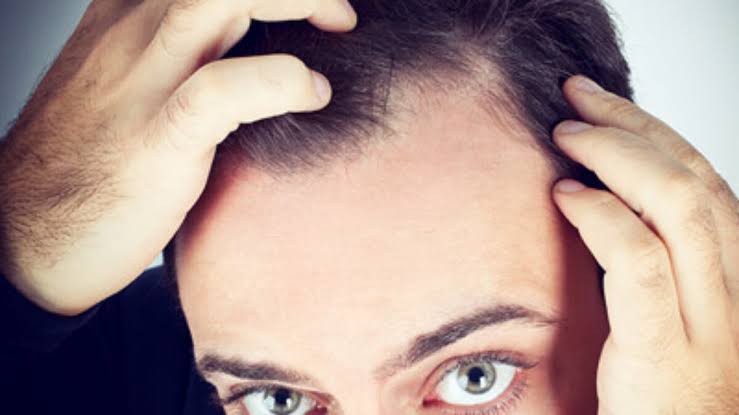

Noticing more hair on your pillow or in the shower drain lately? Before you panic, it helps to understand what your hair and scalp are actually trying to tell you. Hair fall is often the body’s way of signalling an imbalance, and learning to read these signs early can help you respond more effectively.
Why Hair Fall Deserves Attention
A small amount of daily hair fall is completely normal, but a sudden increase, visible thinning, or a change in hair texture shouldn’t be ignored. These changes can point to stress, poor scalp health, nutritional gaps, or simply using the wrong products for your hair type. Paying attention early allows you to act before the problem becomes harder to manage.
What Your Scalp Reveals
Your scalp is the foundation of healthy hair, and it often shows the first signs of trouble. An oily, flaky, or itchy scalp can disrupt the hair growth cycle and weaken the roots over time. A dry, tight-feeling scalp may indicate dehydration, while redness or irritation could suggest product build-up or sensitivity. Keeping the scalp clean and balanced is essential, and this is where a great hair fall control shampoo and conditioner can make a genuine difference. Kérastase’s Genesis range, for instance, is formulated to strengthen hair from the root and reduce hair fall caused by breakage, while gently caring for a sensitised scalp.
What Your Hair Texture Is Signalling
Hair that feels rough, brittle, or lacks its usual bounce is often a sign of underlying weakness. If hair snaps easily when brushed or feels thinner than usual at the ends, this points to reduced elasticity and strength. Regular use of nourishing, fortifying products helps restore resilience, but it’s just as important to identify the root cause rather than treating symptoms alone.
The Role of a Hair Test
One of the simplest ways to understand what’s happening beneath the surface is through a hair test. A proper hair test can assess scalp condition, hair density, and overall strength, giving you a clearer picture of whether your hair fall is temporary or something that needs more targeted care. Many hair specialists and in-store consultations offer this service, and it’s a worthwhile step before choosing new products or treatments.
Simple Habits That Support Healthy Hair
- Wash regularly, but not excessively: Over-washing can strip natural oils and irritate the scalp.
- Massage the scalp gently: This encourages better circulation to the roots.
- Choose targeted products: A hair fall control shampoo and conditioner suited to your specific concern works far better than a generic one.
- Manage stress levels: Stress is a common, often overlooked, contributor to hair fall.
- Eat a balanced diet: Protein, iron, and biotin all support hair strength.
Your hair and scalp are constantly communicating with you, and learning to listen is the first step towards healthier hair. Whether it’s excess shedding, a change in texture, or scalp discomfort, these signs shouldn’t be brushed aside. With the right care routine and a little attention to detail, hair fall can often be managed effectively.
If you’re unsure where to start, why not head to the Kérastase Hair Quiz to understand your hair’s real needs? A designed routine, backed by expert insight, could be the first step towards fuller, stronger, and healthier hair.