
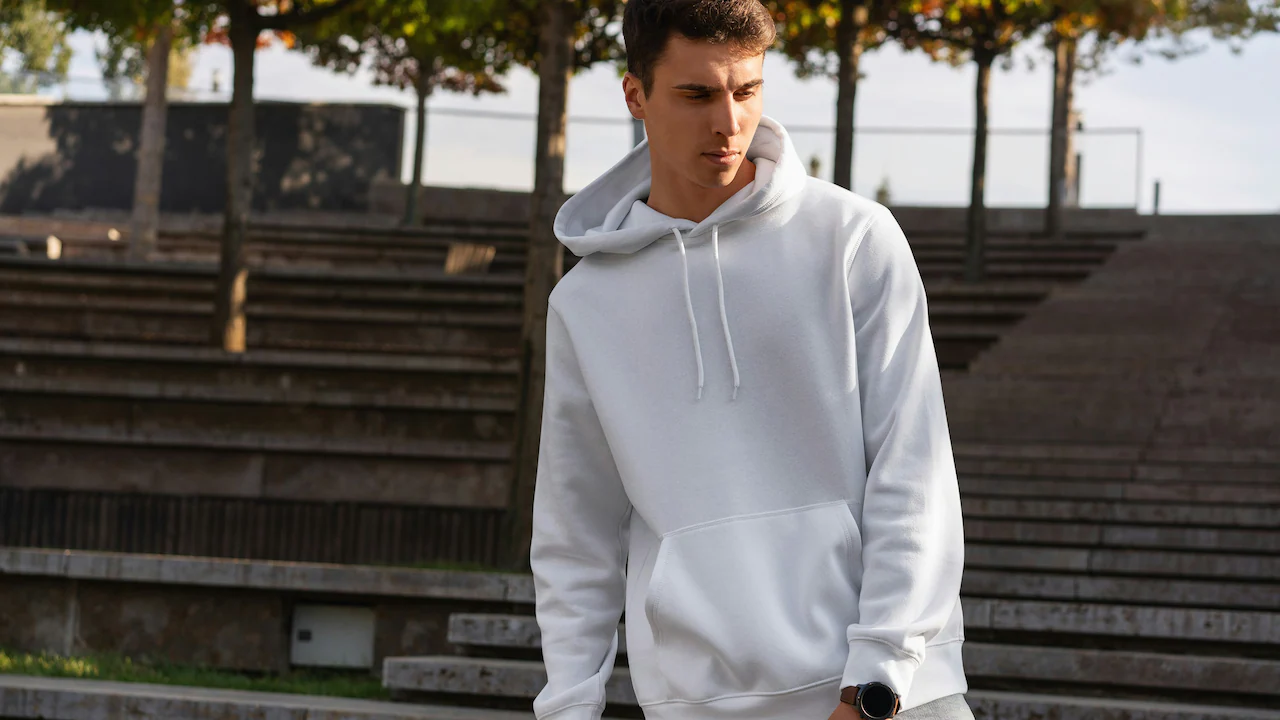

The sweatshirt waiting on the chair often wins the morning
Some clothes need a plan. A sweatshirt needs an open door and five seconds. Pull it on, check the weather, and leave. That ease puts one favorite into many weekly outfits. Easy clothing still deserves care. A tight neck can annoy you before lunch. Loose cuffs can cover your hands, while a short hem rides up. Heavy fabric may feel great outdoors and far too warm inside. A casual rotation focused on cool sweatshirts for men works better when fit, warmth, artwork, and care match your routine. This guide helps you judge each part quickly. We cover shape, fabric, print balance, layers, and care. The result is a sweatshirt you grab quickly because smart choices came first on busy mornings and slow weekends alike.
The word “cool” can mean two things here. A sweatshirt may look good, and it should keep heat from becoming trapped. Your day decides where that balance sits. Outdoor plans may call for thicker fleece and snug cuffs. Long hours indoors often favor a lighter build with room for air. Graphics change the choice again. Large back art can lead the look, while a small chest mark stays quiet under a jacket. Hood shape, pocket depth, and zipper style may also affect daily use. Sounds like a lot for one simple layer? Most of these details take only moments to check. Once you know your preferred fit and warmth, the rest becomes much easier. The next steps show where to look and what each clue tells you.
How to test sweatshirt fit while your body is moving
Wear it over your usual shirt. Reach forward like holding a wheel. The back should stretch without pulling. Lift both arms and watch the hem. Bend your elbows to test sleeves and cuffs. Turn your head if the style includes a hood. Sit and check whether the waist feels tight. A strong fit stays comfortable through movement.
- Keep shoulder seams close to their intended position.
- Check that cuffs stay near the wrist.
- Leave space for one normal base layer.
- Make sure the hem returns after you raise your arms.
Relaxed cuts should still show a clear shape through the shoulders. Slim cuts need room across the chest and upper back. If you plan to layer, try the sweatshirt beneath your main jacket. Thick sleeves can feel crowded inside narrow outerwear. A hood should lie flat without pushing the jacket collar forward. Kangaroo pockets should hold small items without sagging badly. Choose the size that serves movement, not just one mirror pose across a full day outdoors.
What fabric and inner fleece reveal about real warmth
Warmth comes from more than the number on a fabric label. Weave, inner texture, thickness, and airflow all play a role. Touching the garment can tell you plenty before the first cold day. Look closely at these four areas before choosing, both in stores and online.
- Feel the inside against your forearm
Soft fleece should feel pleasant without shedding at once. Rough patches may become worse during long wear. Test more than one area near the body and sleeves.
- Hold the cuff and stretch it lightly
The cuff should expand and return without staying loose. Weak ribbing may lose shape after repeated use. A steady cuff helps keep warmth near your wrists.
- Check the hood or collar weight
A heavy hood can pull the neckline backward. A thin hood may sit better under coats. Choose based on how often you plan to layer it.
- Read the wash instructions before paying
Heat and hard drying can change fit or surface feel. Some graphics also need gentle cleaning. Easy care matters when the sweatshirt enters weekly use.
Why graphic scale should match the rest of your outfit
A graphic sweatshirt can lead without controlling every piece. Choose whether front or back art gets attention. Keep nearby layers plain around detailed art. Choose pants that support key colors. Dark denim can ground bright art. Work pants add shape beside a loose sweatshirt. Simple shoes leave room for bold graphics. One focus looks stronger than competing designs in the room or outdoors.
- Repeat one color in a small accessory.
- Pair large artwork with plain pants and shoes.
- Keep jacket details quiet over a busy sweatshirt.
- Let sleeve graphics show when they add balance.
Layers change which parts remain visible; an open jacket shows front art. A vest reveals sleeves and center art. Back art works when layers come off often. Check how the hem sits beside shirts and jackets. Avoid exact color matches. Wear the sweatshirt for a few minutes before adding more detail. If it already feels complete, stop there and let the graphic do its job clearly without making the outfit feel crowded.
Keep one dependable layer ready for the next cool day
A sweatshirt earns its place when plans change. We can test movement, then judge warmth, fabric, graphics, and care. That order stops bold art from hiding a poor fit. Good color balance helps it work with your clothes. Gentle washing can protect both the fit and printed art. Before buying, picture three outfits around it. Check whether it serves indoor time, outdoor air, and the jacket you wear most. Choose the piece that answers those needs without extra effort. Give your rotation a quick review, find the layer it lacks, and save a welcoming spot for the sweatshirt you will be glad to see waiting on the very next outing.