
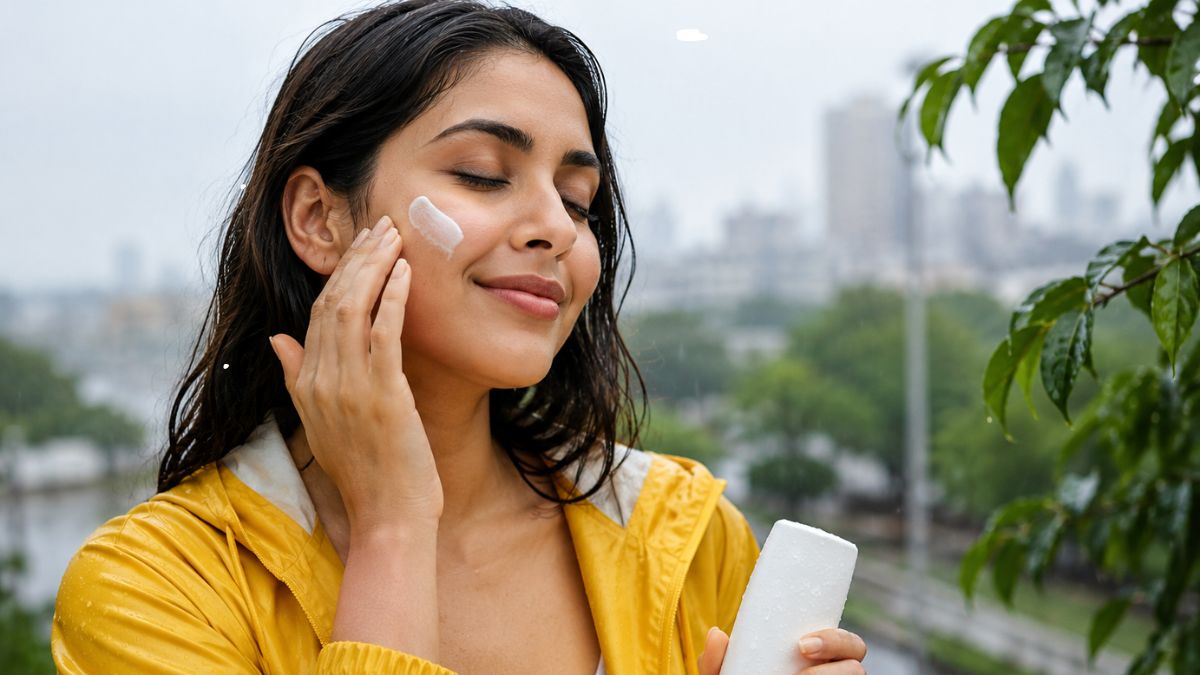

People tend to skip sunscreen when the sky is overcast. They err in assuming clouds block harmful UV rays. However, that’s one of the biggest misconceptions about sun protection. Even on cloudy or rainy days, ultraviolet (UV) radiation can penetrate cloud cover and affect your skin, contributing to premature aging, sunburn, and long-term skin damage.
Making sunscreen part of your daily skincare routine is one of the simplest ways to protect your skin. If you the best sunscreen for your skin type can help you stay protected every day, no matter the weather.
Can UV Rays Reach Your Skin Through Clouds?
Yes. While clouds may reduce visible sunlight, they don’t completely block UV radiation. In fact, a significant percentage of UV rays can still pass through cloud cover, exposing your skin even when the sun isn’t visible.
Daily UV exposure can contribute to:
- Premature fine lines and wrinkles
- Dark spots and uneven skin tone
- Loss of skin elasticity
- Sunburn
- Increased risk of skin cancer over time
That’s why dermatologists recommend wearing sunscreen every day—not just during sunny outdoor activities.
Why Daily Sun Protection Is Essential
Sun exposure happens more often than you might realize. UV rays can reach your skin during everyday activities like:
- Walking to work or school
- Driving or sitting near windows
- Outdoor workouts
- Gardening
- Running errands
- Dining outdoors
Applying the best sunscreen each morning helps create a protective barrier against daily UV exposure, making it an essential step in every skincare routine.
Choosing the Right Sunscreen
Not all sunscreens are the same, so it’s important to choose one that matches your lifestyle and skin needs.
Look for these features:
- Broad-spectrum protection against UVA and UVB rays
- Water-resistant formulas if you’re active outdoors
- Lightweight, non-greasy texture for everyday wear
- Suitable for your skin type, whether oily, dry, combination, or sensitive
- SPF 30 or higher for daily use
Many people also prefer a sunscreen lotion because it spreads evenly, absorbs well, and works comfortably under makeup or skincare products.
Why SPF 50 Is a Smart Choice
If you spend time outdoors or live in areas with strong sunlight, higher SPF products can offer additional protection.
A sunscreen SPF 50 for face provides high-level defense against UVB rays while helping reduce the effects of cumulative sun exposure. Since facial skin is exposed every day, using a dedicated sunscreen SPF 50 for face can help protect against visible signs of aging and sun damage.
Remember that sunscreen should be reapplied every two hours when you’re outdoors or after swimming or excessive sweating.
Don’t Let Cloudy Weather Fool You
Cloudy weather often creates a false sense of security, leading many people to skip sun protection.
Keep these facts in mind:
- UV rays can penetrate clouds.
- UVA rays are present throughout the year.
- Cooler temperatures don’t mean lower UV exposure.
- Skin damage accumulates gradually, even without visible sunburn.
Making sunscreen a daily habit helps protect your skin over the long term.
Tips for Better Daily Sun Protection
Along with sunscreen, these simple habits can further reduce UV exposure:
- Apply sunscreen 15–20 minutes before going outside.
- Cover all exposed areas, including your ears, neck, and hands.
- Wear sunglasses with UV protection.
- Choose wide-brimmed hats for extended outdoor activities.
- Seek shade whenever possible during peak sunlight hours.
- Reapply sunscreen regularly throughout the day.
Pairing these habits with a reliable sunscreen lotion helps provide more comprehensive protection against environmental damage.
Common Sunscreen Mistakes
Avoid these common errors to get the most from your sunscreen:
- Applying too little product
- Skipping sunscreen on cloudy days
- Forgetting often-missed areas like the ears, lips, and neck
- Not reapplying after sweating or swimming
- Using expired sunscreen
Using the best sunscreen consistently is far more effective than applying it only on bright, sunny days.
Make Sun Protection a Daily Habit
Think of sunscreen as an everyday skincare essential rather than a product reserved for beach vacations. Consistent protection helps preserve your skin’s health, supports a more even complexion, and reduces the long-term effects of UV exposure.
Whether you’re indoors near windows, enjoying a cloudy afternoon walk, or spending time outside, daily sunscreen use should become as routine as cleansing and moisturizing.
Conclusion
Cloudy skies don’t translate to not needing sun protection. Harmful UV rays can still reach harm your skin and contribute to premature aging, pigmentation, and long-term damage. Incorporating the best sunscreen into your morning routine, selecting a quality sunscreen lotion, and using a sunscreen SPF 50 for face for daily facial protection are simple yet effective ways to keep your skin healthy throughout the year. Rain or shine, daily sun protection is one of the smartest investments you can make for your skin.