
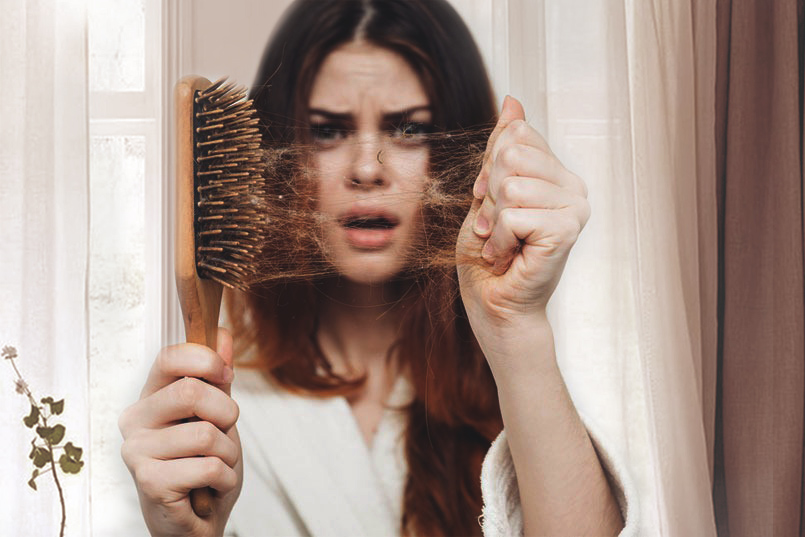

Hair fall is a prevalent concern affecting individuals of all genders, yet it manifests differently across various groups. Although factors such as genetics, hormonal imbalances, stress, and nutrition can lead to hair fall in everyone, the patterns and underlying causes often differ. Recognizing these differences is crucial for determining the most effective treatment strategies, including the use of Ayurvedic remedies for hair fall. This article explores the distinctions in hair fall patterns and causes and how Ayurvedic approaches can provide natural solutions.
Hair Fall Patterns:
In some individuals, hair fall is characterized by a receding hairline, thinning at the crown, and eventual balding. This pattern, known as androgenetic alopecia, is commonly linked to genetic and hormonal influences. Specific hormones can convert into compounds that may shrink hair follicles, leading to hair fall. Additionally, stress, dietary deficiencies, and scalp conditions can contribute to this pattern of hair fall.
Conversely, others experience hair fall as an overall thinning of the hair rather than distinct bald patches. This pattern, often marked by widening part lines and reduced hair density, can result from hormonal fluctuations, stress, nutritional deficiencies, and certain health conditions.
Key Differences in Hair Fall:
Pattern of Hair Fall:
Certain groups tend to experience a receding hairline and balding at the crown, while others face diffuse thinning across the scalp without noticeable bald patches.
Underlying Causes:
Genetic factors and specific hormones are primary contributors to certain patterns, whereas hormonal imbalances, stress, and nutritional deficiencies frequently cause hair fall in other groups.
Response to Treatments:
Some individuals respond well to treatments targeting specific hormones, such as minoxidil and other medications, while others may benefit more from hormonal therapies and nutritional supplements.
Ayurvedic Remedies for Hair Fall:
Ayurveda offers an array of natural remedies for hair fall designed to combat hair fall and support healthy hair growth for everyone. These remedies emphasize balancing internal energies, enhancing overall well-being, and nourishing the scalp and hair follicles. Key Ayurvedic solutions for hair fall include:
Amla (Indian Gooseberry):
Rich in Vitamin C and antioxidants, amla nourishes the scalp, strengthens hair roots, and supports hair growth. Amla oil or amla-based hair masks can effectively address hair fall.
Bhringraj (Eclipta Alba):
Known for its rejuvenating properties, bhringraj promotes hair growth. Applying bhringraj oil or powder to the scalp can reduce hair fall and enhance hair health.
Neem (Azadirachta Indica):
Renowned for its antibacterial and antifungal qualities, neem helps treat scalp infections that can lead to hair fall. Neem oil or neem-based products help maintain scalp health and minimize hair fall.
Coconut Oil with Curry Leaves:
This traditional Ayurvedic blend combines coconut oil with curry leaves, which are rich in proteins and antioxidants. This mixture nourishes hair follicles, strengthens roots, and provides moisture and protection.
In conclusion, while hair fall affects people universally, the patterns and underlying causes can vary. Ayurvedic remedies provide a natural and holistic method to address hair fall, targeting root causes and promoting healthy hair growth. By integrating Ayurvedic practices into your hair care routine, you can nourish your scalp, fortify your hair follicles, and effectively reduce hair fall. Embrace the ancient wisdom of Ayurveda to discover natural solutions for maintaining vibrant and healthy hair.