
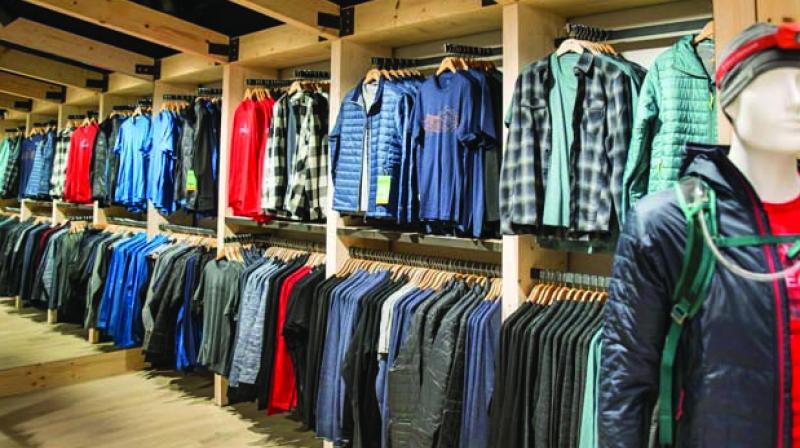

The apparel industry is undergoing one of its most disruptive shifts in decades. Gone are the days when two annual collections—Spring/Summer and Autumn/Winter—were enough to keep consumers engaged. Today’s fashion audience demands instant gratification, exclusivity, and cultural relevance. To meet this challenge, brands are turning to micro-collections, an emerging strategy reshaping how apparel is designed, produced, and marketed.
Understanding the Concept of Micro-Collections
Micro-collections are small, theme-based product lines designed around specific events, cultural moments, or audience niches. Unlike traditional collections that take months to design and release, micro-collections operate on rapid development cycles—sometimes as short as three to six weeks.
These limited runs allow brands to quickly respond to emerging trends, experiment with bold ideas, and engage consumers with fresh content more frequently. The goal isn’t just speed—it’s precision: delivering highly curated apparel that resonates with defined micro-segments rather than the broad mass market.
Why Micro-Collections Are Transforming Apparel
-
Hyper-Relevance: Consumers now expect fashion that reflects their individuality, local culture, and online communities. Micro-collections allow brands to capture that zeitgeist faster than conventional methods.
-
Exclusivity and Scarcity: Limited runs create desirability and urgency, driving quicker purchase decisions and higher sell-through rates.
-
Sustainability by Design: Producing fewer pieces reduces overstock and waste—a critical advantage in an era of rising environmental awareness.
-
Data-Driven Innovation: Real-time consumer feedback helps refine styles instantly, reducing guesswork and aligning production with demand.
The Business Rationale Behind Micro-Collections
Traditional apparel cycles often lead to surplus inventory, markdowns, and eroded margins. Micro-collections invert that logic. By producing smaller quantities tailored to specific audiences, brands can achieve:
-
Improved Inventory Turnover: Smaller batches mean faster stock movement.
-
Higher Margins: Exclusivity allows for premium pricing.
-
Reduced Waste: Brands minimize overproduction and unsold stock.
-
Deeper Engagement: Frequent, limited drops keep consumers consistently tuned in.
This model turns fashion from a static seasonal process into a continuous conversation between brand and buyer.
Designing for Speed and Storytelling
1. Agile Design Pipelines
To launch micro-collections effectively, apparel brands must adopt agile frameworks similar to those used in tech startups. Design teams need integrated systems where concept sketches, pattern making, and sampling happen concurrently rather than sequentially. Digital tools like 3D garment visualization and virtual fitting rooms help compress timelines from months to mere weeks.
2. Narrative-Driven Apparel
Micro-collections succeed when each drop tells a story. A successful micro-collection is not just a set of clothes—it’s a cultural message. Themes may revolve around social causes, art collaborations, or hyper-local inspiration. This narrative approach strengthens emotional connection and encourages organic social media amplification.
3. Flexible Supply Chains
Shorter lead times require highly responsive manufacturing partners. Brands are now partnering with nearshore or local manufacturers to accelerate turnaround. Smaller batch production also supports greater experimentation—allowing apparel companies to pilot unconventional fabrics, dyeing techniques, or digital-print technologies without large-scale risk.
The Role of Data and Technology
The success of micro-collections is inseparable from data intelligence. Advanced analytics tools enable brands to spot micro-trends before they hit the mainstream.
-
Predictive Analytics: Helps identify what silhouettes or color palettes will resonate with niche audiences.
-
AI-Assisted Design: Algorithms can propose design variations based on trend analysis and consumer sentiment.
-
Digital Twins: Virtual versions of garments let designers tweak proportions or drape digitally, cutting development time dramatically.
-
Demand Forecasting: Machine learning models help brands decide optimal production volume per SKU to prevent excess inventory.
Tech-empowered micro-collections are essentially a fusion of fashion artistry and algorithmic precision—a hybrid that defines the new apparel frontier.
Collaboration and Community Building
Micro-collections thrive on partnerships. Collaborating with micro-influencers, local artists, and niche communities lends authenticity and drives micro-audience engagement. These partnerships blur the line between creator and consumer, transforming buyers into co-designers and advocates.
For instance, streetwear brands are leveraging local graffiti artists to co-create capsule collections, while luxury labels experiment with limited digital fashion drops in gaming ecosystems. Each collaboration extends brand reach without diluting identity.
Challenges in Scaling Micro-Collections
While the model offers immense promise, it also introduces complexity.
-
Operational Overhead: Managing multiple mini-collections requires meticulous coordination between design, sourcing, and marketing teams.
-
Brand Consistency: Frequent drops can blur brand identity if not guided by a cohesive creative direction.
-
Demand Forecasting Errors: Producing too few items can frustrate loyal customers; producing too many undermines exclusivity.
-
Pricing Strategy: Consumers must perceive micro-collections as premium yet accessible—striking this balance is crucial.
Brands that master these nuances gain not just efficiency but cultural agility.
The Sustainability Edge
Beyond profit, micro-collections align with sustainability goals by reducing waste and enabling localised production. Smaller runs mean fewer unsold garments ending up in landfills. Moreover, short supply chains cut carbon emissions associated with global shipping.
In an era when consumers increasingly demand transparency, micro-collections allow brands to showcase traceability, craftsmanship, and responsible sourcing—all while maintaining profitability.
Future of Apparel: The Era of Smart Micro-Collections
The next evolution is smart micro-collections, integrating wearable technology, blockchain authentication, and digital-only drops. We’ll see brands blend physical and virtual fashion experiences—where limited-edition apparel may exist both as a garment and a digital collectible (NFT or AR filter).
Smart micro-collections will redefine exclusivity, enabling brands to serve both physical shoppers and digital natives. This convergence of creativity, tech, and personalization marks the future of apparel commerce.
Key Takeaways
-
Micro-collections allow brands to deliver speed, relevance, and exclusivity simultaneously.
-
Agile production and data analytics are the backbone of successful implementation.
-
Storytelling and collaboration drive engagement beyond traditional marketing.
-
Sustainability and consumer co-creation are intrinsic advantages of the model.
-
The apparel industry’s future lies in merging creativity with computational intelligence.
FAQs
1. How are micro-collections different from capsule collections?
While both focus on limited runs, capsule collections are usually pre-planned and seasonal. Micro-collections are spontaneous, fast-moving, and driven by real-time data or cultural trends.
2. Do micro-collections only suit luxury brands?
No. Streetwear, mid-tier, and even sustainable labels can use micro-collections to stay relevant and agile without heavy financial risk.
3. What role does social media play in micro-collection success?
Social platforms act as real-time focus groups and marketing channels. Viral content and influencer partnerships can drive demand within hours of a drop.
4. Are micro-collections sustainable?
Yes. Smaller runs reduce overproduction and waste. They also allow brands to test sustainable fabrics or production methods at scale.
5. How can smaller brands manage costs for micro-collections?
Using local sourcing, pre-orders, and digital design tools helps minimize upfront costs while maintaining quality and creativity.
6. What technologies support micro-collection development?
AI-driven trend analysis, 3D garment design, and virtual try-on tools are critical in accelerating concept-to-market timelines.
7. Will micro-collections replace traditional seasonal lines?
Not entirely. Seasonal lines will remain, but micro-collections will serve as agile extensions—keeping brands culturally relevant year-round.
Final Thought: The apparel industry’s future isn’t about mass production; it’s about mass personalization. Micro-collections embody that future—where agility, creativity, and authenticity merge to define the next chapter of fashion evolution.