
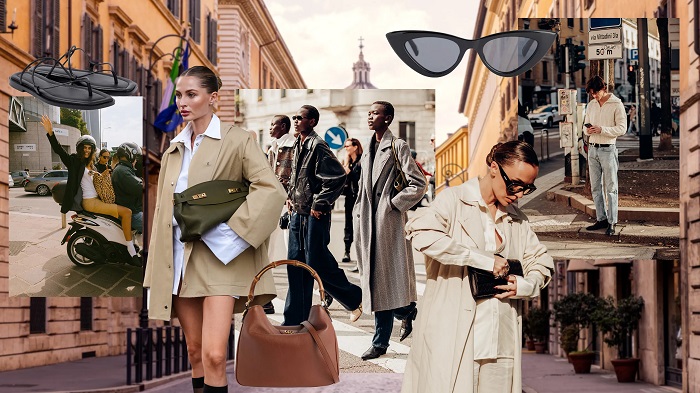

Most wardrobes are built on dependable foundations: the tailored trouser, the crisp cotton poplin shirt, the neutral knit, the structured wool coat. These garments handle the structural heavy lifting of getting dressed. Yet on their own, even the finest essentials can feel somewhat unfinished. They provide form and coverage, but they rarely tell a full story. That transformation belongs almost exclusively to accessories.
Far from being secondary embellishments, accessories operate as the editorial punctuation of personal style. They dictate formality, modulate proportions, introduce textural tension, and signal aesthetic intention. Without them, clothing is merely functional; with them, a collection of garments becomes a cohesive, deliberate outfit. Understanding how these pieces function transforms getting dressed from an automatic routine into an expressive craft.
Establishing Proportion and Silhouette
Every successful outfit relies on a balanced silhouette, and accessories are among the most efficient tools for manipulating visual scale. Clothing tends to follow the natural contours of the body or drape loosely around it. Accessories, by contrast, introduce deliberate hard lines and anchoring points that redefine those dimensions.
Consider the role of footwear and belts in managing visual weight. An oversized linen suit can easily overwhelm a smaller frame if left unanchored. Introducing a substantial leather belt creates an immediate focal break, reestablishing the natural waistline and preventing the fabric from reading as shapeless. Similarly, the sole of a shoe determines how an ensemble meets the ground. A delicate slip dress paired with minimal sandals projects lightness, whereas grounding that same dress with a chunky, lug-soled loafer or an equestrian boot shifts the visual center of gravity downward, lending the look an intentional, contemporary edge.
Bags function in much the same way. The visual weight of a structured, geometric shoulder bag brings discipline to relaxed tailoring, while an unstructured suede tote softens the rigid lines of a trench coat. By adjusting the scale, rigidity, and placement of these objects, you control how the human eye travels across the entire silhouette.
The Interplay of Texture and Materiality
One of the most common pitfalls in personal styling is falling into textural monotony. When an outfit relies entirely on flat, matte fabrics—such as smooth denim, flat-weave wool, or jersey—the overall visual impression can look dull, even when the colors are complimentary. Accessories introduce the material contrast required to make monochrome or minimalist dressing feel dimensional.
The most compelling outfits thrive on subtle tension rather than absolute uniformity:
- Hardware and Metals: Polished gold, brushed silver, and antique brass introduce reflective light points against soft, light-absorbing fabrics like cashmere, flannel, and velvet.
- Leather Finishes: The crisp sheen of box calf leather, the rugged warmth of burnished suede, or the high-gloss pop of patent leather disrupt flat woven surfaces with distinct tactile properties.
- Textile Contrasts: A lightweight silk twill scarf tucked into the collar of a heavy, coarse tweed jacket creates a dialogue between fragile delicacy and rugged utility.
Matching every accessory to the exact tone and texture of your clothing is an outdated convention. Modern styling favors harmony over rigid coordination. A rich chocolate suede belt paired with black leather Chelsea boots, or mixed metal jewelry worn against an ecru knit, demonstrates an effortless confidence that overly coordinated sets rarely achieve.
Shifting Context and Unlocking Versatility
A versatile wardrobe is not achieved by owning an endless array of garments, but by changing how a core rotation is styled. Accessories serve as the primary vehicle for this adaptability, allowing individual pieces to move effortlessly between disparate social contexts and dress codes.
A well-cut black blazer and dark denim jeans can lean casual, professional, or evening-ready solely through the accessories that accompany them:
Daytime Utility
Paired with a durable canvas tote, clean leather sneakers, and understated tortoiseshell acetate sunglasses, the baseline garments read relaxed, approachable, and appropriate for off-duty hours or creative workspaces.
Professional Polish
Swap the sneakers for a classic pointed-toe leather flat or an almond-toe boot, introduce a structured leather brief or satchel, and add a refined leather-strap watch. The exact same jacket and jeans immediately project workplace authority.
Evening Elegance
Replace the daytime bag with a sculptural clutch, trade the flat shoes for a refined heel, and introduce architectural drop earrings or a bold cuff. The outfit sheds its daytime pragmatism and assumes an evening presence without requiring a trip home to change.
This functional adaptability delivers genuine longevity. By relying on accessories to redefine contexts, you get more wear out of your best-fitting garments while reducing the impulse to purchase single-occasion clothing.
Narrative, Identity, and the Singular Piece
Clothing items often reflect seasonal trends, but accessories tend to carry personal narrative. Because jewelry, watches, eyewear, and leather goods are worn continuously rather than laundered and rotated daily, they absorb history and reflect personal values more intimately than ready-to-wear pieces.
A vintage mechanical timepiece passed down through generations, an artisan-made silver ring collected during travel, or a bespoke leather belt with hand-burnished edges all inject authenticity into an outfit. These items resist the generic uniformity of mass-produced fashion. They invite closer inspection and communicate that the wearer curates their appearance based on enduring personal taste rather than fleeting commercial cycles.
Eyewear, in particular, acts as a primary signature. Because glasses frame the eyes and rest at the literal focal point of human communication, a distinctive frame shape—whether a classic mid-century keyhole bridge or a sharp geometric wire—becomes synonymous with the wearer’s public identity.
The Discipline of Restraint
While accessories possess significant transformative power, their effectiveness relies on editorial restraint. The goal is never to showcase as many interesting pieces as possible in a single look; it is to establish clear hierarchy. When every accessory demands attention, the eye finds nowhere to rest, and the outfit dissolves into visual clutter.
A reliable principle is to identify a single hero accessory and allow the remaining elements to play supporting roles. If you choose to wear a heavy, sculptural necklace, keep earrings minimal or absent, and opt for a clean, understated bag. If your footwear features an eye-catching animal print or an unconventional silhouette, let your outerwear and jewelry remain quiet.
True elegance involves knowing when an ensemble has achieved equilibrium. Stepping back to assess the total picture ensures that your accessories complement your presence rather than competing with it. When chosen with care, proportion, and texture in mind, accessories cease to be superficial additions; they become the defining framework of genuine personal style.