

Introduction: The Evolution of the Boutique Landscape
In the ever-evolving world of fashion and retail, boutiques have always symbolized exclusivity, craftsmanship, and individuality. However, the definition of a boutique is rapidly changing. The modern era has ushered in concept boutiques—spaces that move beyond simple retail to offer immersive, meaningful, and emotionally charged experiences. These boutiques are no longer focused solely on products; instead, they blend art, culture, design, and sustainability to tell a unique story.
Concept boutiques are revolutionizing the luxury retail landscape by transforming shopping into a narrative-driven journey. Each visit feels like stepping into the brand’s creative world—one built around values, aesthetics, and emotion.
From Product to Experience: The New Boutique Paradigm
Luxury retail has evolved from simply offering premium products to creating immersive experiences. Consumers today, especially millennials and Gen Z, seek more than just fashion—they crave connection, storytelling, and authentic engagement.
1. The Sensory Dimension of Shopping
Concept boutiques are curated to awaken the senses. Every detail—from the scent in the air to the texture of the furniture—is designed to communicate a feeling.
-
Lighting plays a critical role in setting mood and enhancing the perception of exclusivity.
-
Music and soundscapes help define the boutique’s identity, whether it’s soft classical tunes or upbeat indie playlists.
-
Signature scents are used to create a sense of familiarity and brand recall, subtly influencing mood and memory.
This sensory harmony turns an ordinary store visit into an emotional experience.
2. Personalization as the Core of Modern Luxury
Personalization has become the new benchmark for boutique success. Consumers expect tailor-made experiences that reflect their tastes and aspirations. Many high-end boutiques now use AI-driven style curation, virtual wardrobe mapping, and private styling consultations to build personalized shopping journeys.
Some boutiques even offer invitation-only previews, where clients can explore new collections in intimate settings. This deepens emotional engagement, giving clients a sense of belonging and exclusivity—elements that define modern luxury.
The Role of Storytelling in Boutique Branding
The best boutiques don’t just sell clothes—they sell stories. Every piece on display has a narrative, whether it’s about artisanal craftsmanship, cultural heritage, or environmental consciousness. Storytelling connects consumers to the soul of the brand.
1. Narrative-Driven Collections
Concept boutiques often structure their collections around a theme or cultural narrative. For example:
-
A boutique may dedicate a season to “Urban Nomadism,” reflecting fluid global lifestyles through fabrics and design.
-
Another may celebrate “Heritage Revival,” showcasing modern reinterpretations of traditional crafts.
By anchoring collections in meaning, boutiques allow consumers to emotionally invest in their purchases.
2. Visual Storytelling through Space Design
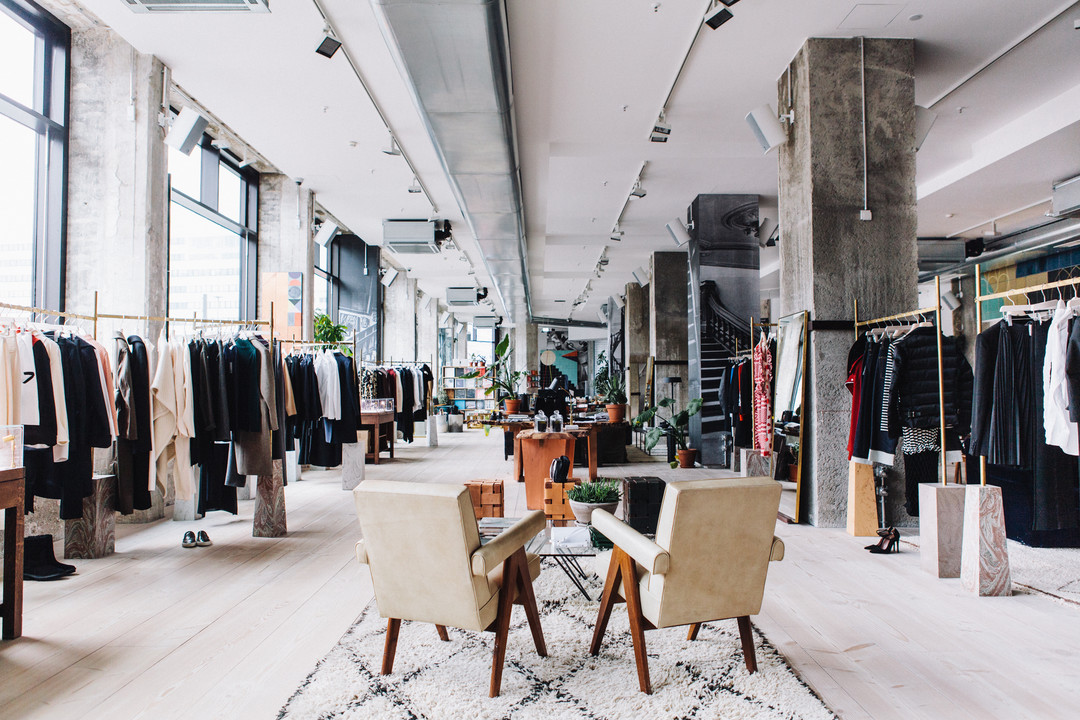
Interior architecture is a powerful tool for narrative expression. Boutiques are increasingly designed like art galleries—minimalistic, visually striking, and emotionally charged. Every display corner tells a story: a handcrafted accessory placed under soft light, or a limited-edition piece showcased against a textured wall.
The store layout itself becomes part of the brand’s storytelling language.
Sustainability: The Soul of the New Boutique Era
Modern consumers want their purchases to reflect their values. Sustainability is no longer optional—it’s central to the boutique ethos.
1. Conscious Curation
Concept boutiques emphasize ethical sourcing, eco-friendly materials, and slow fashion. They collaborate with designers who champion fair labor and transparency. Instead of promoting mass consumption, they advocate mindful purchasing.
Boutiques like these often:
-
Feature limited-edition pieces to reduce waste.
-
Support local artisans and circular fashion initiatives.
-
Use recycled materials in packaging and interiors.
2. Transparency as Trust Currency
Sustainability is not just about materials—it’s about honesty. Concept boutiques now share detailed information about their supply chain and production processes. This transparency fosters trust and loyalty, making customers feel part of a shared mission.
Digital Integration: Merging Online and Offline Worlds
While the charm of boutiques lies in their physical presence, technology is enhancing their reach and sophistication.
1. The Rise of Virtual Boutiques
Many luxury boutiques are creating digital twins of their stores—virtual experiences where customers can browse collections in 3D environments. Augmented reality (AR) and virtual reality (VR) tools allow clients to visualize outfits or accessories from the comfort of their homes.
2. Data-Driven Boutique Experiences
Smart data analytics are transforming boutique management. By tracking customer preferences, visit frequency, and purchase patterns, boutiques can anticipate needs before customers even express them. The result is proactive personalization, strengthening the bond between brand and buyer.
Collaborative Boutiques: The Fusion of Fashion and Art
A defining feature of the new boutique culture is collaboration. Many concept boutiques host art exhibitions, live performances, or wellness experiences alongside retail offerings.
This fusion creates a multisensory cultural hub, positioning the boutique as a lifestyle destination rather than a shopping venue. For example:
-
Boutiques partnering with local artists to display installations inspired by seasonal themes.
-
Pop-up events featuring sustainable food and fashion collaborations.
-
Creative workshops that let customers experience craftsmanship firsthand.
These collaborations generate buzz, drive organic social media visibility, and reinforce the boutique’s image as a cultural innovator.
Emotional Retail: Building Meaningful Brand Relationships
In an age of mass consumption, emotion is the ultimate differentiator. Concept boutiques master the art of emotional retail by creating connections that outlast transactions.
They build intimacy and trust through storytelling, experience, and authenticity. A customer who feels emotionally aligned with a boutique’s values becomes a lifelong ambassador.
Boutiques also use empathy-driven engagement—remembering clients’ preferences, celebrating milestones, and offering genuine human interactions—to cultivate loyalty beyond price or product.
Future Outlook: The Boutique as a Cultural Ecosystem
The boutique of tomorrow will be a cultural ecosystem—a dynamic space where commerce, creativity, and community intersect. As technology, sustainability, and artistry converge, boutiques will continue to redefine what luxury means.
Instead of being mere retail spaces, they’ll serve as platforms for creative expression, social connection, and conscious living. The modern boutique is no longer about owning things—it’s about experiencing meaning.
FAQs
1. What differentiates a concept boutique from a traditional boutique?
A concept boutique focuses on storytelling, immersive design, and ethical curation, offering an emotional and experiential journey beyond product sales.
2. How do concept boutiques attract new-age consumers?
They appeal to values-driven shoppers by combining sustainability, personalization, and authenticity—three pillars that resonate with today’s luxury audience.
3. Why is sustainability integral to boutique success?
Sustainability aligns with consumer ethics and builds brand trust, helping boutiques stand out as responsible, transparent, and future-forward.
4. Are digital boutiques replacing physical ones?
Not exactly. Digital tools enhance the physical boutique experience but don’t replace it. The most successful boutiques blend both worlds seamlessly.
5. How can boutiques use storytelling effectively?
By aligning brand values, visual design, and curated collections to convey a unified emotional narrative that resonates with their audience.
6. What role does collaboration play in boutique innovation?
Collaborations introduce creativity, cross-industry engagement, and community involvement, positioning boutiques as cultural destinations.
7. What does the future of boutique retail look like?
The future lies in hybrid spaces that merge fashion, technology, and culture—where every purchase is an act of identity and purpose.