
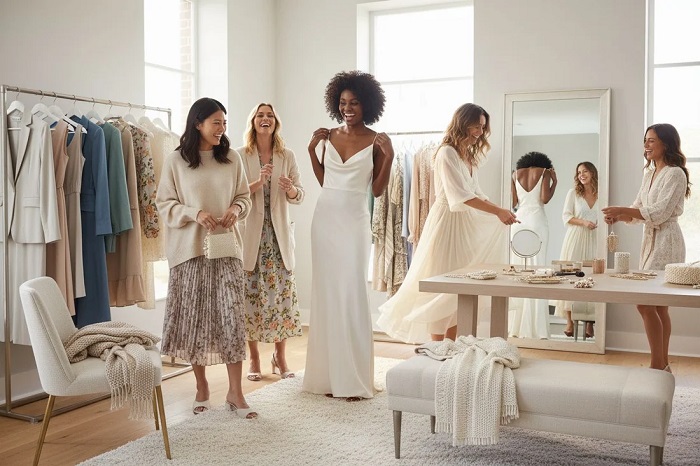

Few experiences are as deflating as walking into a milestone celebration only to realize three other guests are wearing variations of the exact same department store dress. Mass-market retail has made event dressing remarkably uniform, saturating social calendars with predictable silhouettes, synthetic fabrics, and algorithm-driven color schemes. When an event carries genuine emotional or celebratory weight, leaning on fast-fashion algorithms feels like a missed opportunity.
This is where boutique fashion earns its distinction. Independent ateliers and curated boutiques prioritize deliberate design, limited production runs, unexpected textiles, and silhouettes that celebrate individual expression rather than mass appeal. Dressing for weddings, multi-day festivals, and high-stakes social celebrations requires more than just meeting a dress code; it is about assembling an outfit that balances personal style with event etiquette. Navigating these landmark events requires an eye for architectural cuts, rich textures, and cohesive styling.
Curating the Wedding Guest Wardrobe Beyond the Standard Cocktail Dress
Weddings present a distinct styling challenge: honoring the formality and setting of the ceremony while remaining expressive, comfortable, and respectful of the hosts. Boutique collections excel here by reimagining classic occasionwear with subtle structural surprises, replacing generic florals with textured weaves, sculptural lines, and unexpected palettes.
Architectural Silhouettes for Formal Receptions
For black-tie and formal evening receptions, bypass the conventional beaded tulle ballgown in favor of structured column dresses and sculptural drapery. Independent designers frequently utilize rich, light-catching fabrics such as silk faille, hammered satin, or heavy crepe that drape cleanly without cling.
A floor-length gown featuring an architectural neckline—such as a clean asymmetrical one-shoulder drape or a high, folded bateau collar—commands attention through line rather than surface embellishment. To keep the look modern, steer toward saturated, earth-grounded jewel tones like deep moss, midnight indigo, burnished copper, or smoky amethyst. Finish the look with minimal, geometric gold jewelry and a sleek, hard-shell minaudiere.
Refined Ease for Garden, Vineyard, and Coastal Nuptials
Outdoor venues demand fabrics that breathe and move without sacrificing polish. When dressing for afternoon vows on a coast or in an orchard, the key lies in natural luxury: crisp cotton poplin, washed linen blends, and airy silk habotai.
A tiered midi dress cut from crisp poplin with subtle structural volume provides effortless elegance that resists humidity and wind. Look for bespoke details that elevate the piece from everyday sundress to occasionwear—think pin-tucked bodices, delicate contrast piping, or hand-painted botanical prints that favor abstract forms over literal blossoms. Pair these lighter textures with block-heeled leather mules or woven raffia platforms that easily navigate lawn turf, completing the look with refined tortoiseshell hair accessories.
Elevating Festival Attire: Moving Beyond Fast-Fashion Clichés
Modern festivals span far beyond standard concert fields. Today, they encompass multi-day cultural gatherings, international film forums, and open-air food and wine weekends. Unfortunately, mainstream festival attire has long been hijacked by low-grade fringe and synthetic fabrics designed to be discarded after a single weekend.
Boutique festival dressing returns to the roots of bohemian elegance by prioritizing artisan craft, tactile textiles, and functional utility.
- Hand-Loomed Tunics and Duster Robes: A sweeping duster jacket crafted from block-printed silk or hand-woven raw cotton creates a dramatic visual layer over basic foundations. Worn open over a ribbed modal tank and tailored high-rise linen shorts, it moves with the breeze and provides sun protection without overheating.
- Textured Linen Matching Sets: Coordinated sets consisting of wide-leg palazzo trousers and a boxy, cropped camp-collar shirt offer an effortlessly sophisticated profile. Opt for warm neutrals—like unbleached oatmeal, terra cotta, or sun-faded ochre—that reflect festival environments while maintaining a curated, mature aesthetic.
- Utilitarian Leather Footwear: Trade cheap slip-ons for well-crafted, Goodyear-welted leather ankle boots or supportive flat fisherman sandals. A sturdy leather boot grounds flowing, romantic textiles with purposeful contrast, ensuring you can stand for hours across varied terrain.
Accessorize festival ensembles with artisan-made goods: a structured straw boater hat with a leather band, a saddle-stitched crossbody bag large enough for daily essentials, and mixed silver rings that evoke a collected, nomadic feel.
Statement Ensembles for Milestone Dinners, Galas, and Evenings Out
Anniversaries, charity galas, and milestone birthdays offer a blank slate for bold, sophisticated dressing. Because you are not bound by wedding color boundaries or the outdoor constraints of a festival, these occasions invite modern tailoring and dramatic proportions.
One of the most powerful boutique alternatives to traditional dresses is the impeccably tailored women’s tuxedo or silk pantsuit. A fluid, wide-leg trouser paired with a sharply defined double-breasted blazer creates an immediate visual impact. Look for luxurious tactile finishes, such as a silk-satin peak lapel on a matte wool jacket, or a monochromatic suit rendered in a rich champagne or forest green silk velvet. Worn with a fine lace bralette or nothing at all underneath the fastened jacket, it projects an effortless, contemporary authority.
If a one-piece silhouette is preferred, look to architectural jumpsuits with wide-leg hems that fall like a gown in motion. Details like deep pleating, self-tying sashes that trail behind the shoulder, or backless cuts balanced by a high halter neckline create striking visual drama from every angle.
The Principles of Boutique Dressing: Fabric, Fit, and Restraint
The success of any boutique outfit relies on foundational styling principles that distinguish a truly complete ensemble from an accidental clash of ideas.
First, prioritize fabric integrity above all else. Boutique garments hold their value because they often rely on natural, high-performance fibers like silk, wool, cupro, linen, and organic cotton. These textiles not only drape superiorly against the body, but they also respond far better to changes in temperature, keeping you comfortable through long ceremonies and late dinners.
Second, factor in professional alterations. Even the most striking boutique piece rarely fits straight off the rack as if it were custom-made. Taking a garment to an experienced tailor to raise a hemline by half an inch, nip the shoulders, or adjust a sleeve length transforms a great boutique find into a bespoke masterpiece that looks tailored precisely to your proportions.
Finally, practice visual restraint. A well-designed boutique piece already carries character through its silhouette, weave, or pattern. Over-accessorizing crowds the design and distracts the eye. Select one hero element—whether an architectural sleeve, a dramatic shoe, or a sculptural statement cuff—and allow the rest of your pieces to operate in subtle harmony. True personal style is not measured by the sheer volume of details, but by the quiet confidence of an ensemble that feels wholly intentional.