
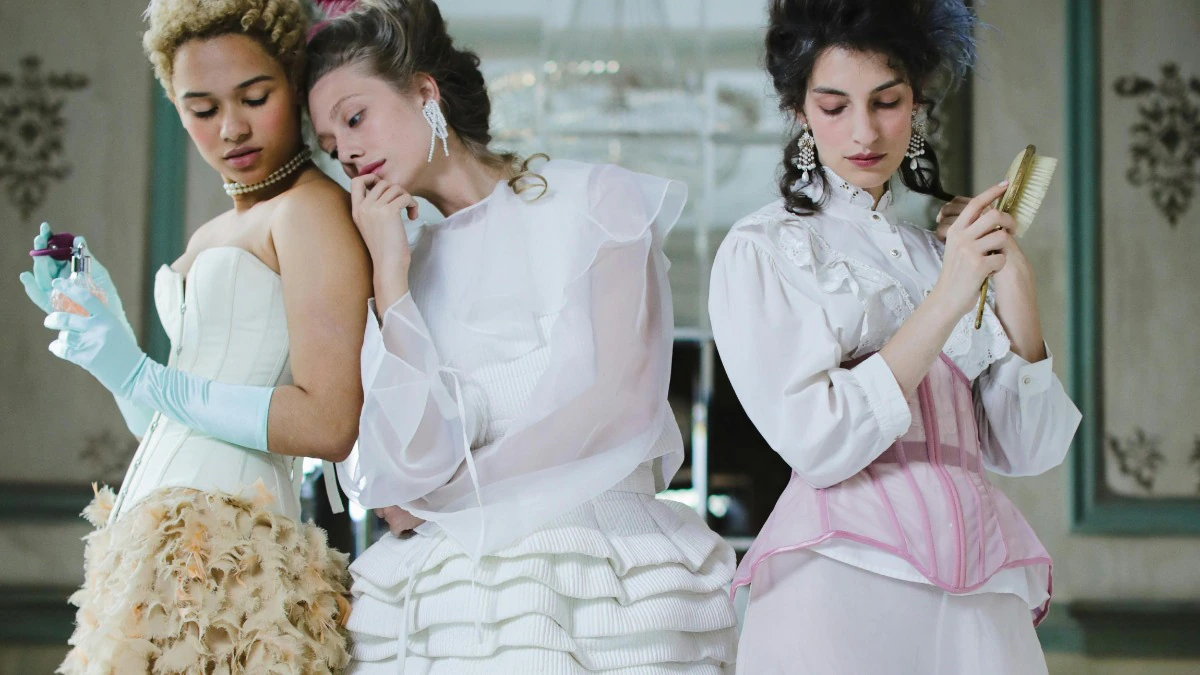

Fashion has long been regarded as a language of self-expression, but few garments encapsulate the complexity of human psychology like the dress. Beyond the threads and seams lies a fascinating interplay between identity, confidence, culture, and perception. Every dress we choose silently communicates our mood, values, and even ambitions. Understanding this relationship isn’t about surface-level aesthetics — it’s about exploring how dresses influence both the wearer’s psychology and societal interpretation.
The Emotional Architecture Behind Every Dress
Every dress tells an emotional story. Whether it’s the crisp lines of a tailored sheath or the soft drape of a silk wrap dress, the form and flow directly affect emotional resonance. Clothing psychologist Dr. Karen Pine’s concept of “enclothed cognition” explains that what we wear not only reflects our emotions but can also shape them. A carefully chosen dress can make you feel powerful, serene, romantic, or even mysterious.
For example, a bold red evening dress may elevate adrenaline and confidence, while a pastel midi dress might evoke calmness and approachability. These emotional shifts are not random — they are deeply ingrained responses to color, silhouette, and social symbolism. When you understand this connection, dressing becomes an act of emotional design rather than mere style selection.
Symbolism and Semiotics in Dress Design
The symbolism behind dresses has evolved across history, from representing purity and status to symbolizing independence and identity. Each design detail — length, neckline, cut, and color — carries semiotic weight.
1. The Power of Color Psychology
Color holds emotional language in fashion.
-
Black dresses often signal authority, sophistication, and timeless strength.
-
White dresses symbolize purity, transformation, and new beginnings.
-
Red dresses convey passion, energy, and dominance.
-
Earth tones communicate groundedness and natural ease.
In modern contexts, color becomes an identity statement. For instance, contemporary designers use color-blocking to defy conventional norms and showcase individuality. A bright cobalt or chartreuse dress today can serve as a form of creative rebellion against minimalism.
2. The Role of Silhouette
Silhouette shapes perception. A structured silhouette communicates control and confidence, while a loose or asymmetric form implies artistic freedom. The fit-and-flare cut, long associated with mid-century femininity, now often symbolizes empowerment — reclaiming the classic form in a modern context. Meanwhile, avant-garde designers push asymmetry to challenge traditional beauty standards, making silhouette itself a form of commentary.
The Dress as a Cultural and Social Communicator
Dresses also act as cultural messengers, carrying regional, historical, and even political connotations. In Japan, the kimono dress signifies heritage and respect. In Western cultures, the little black dress is both a fashion staple and a feminist symbol of independence and simplicity.
The 21st-century global wardrobe blends these traditions, allowing designers to create dresses that merge cultural elements — embroidery from India, tailoring from Italy, minimalist draping from Japan. This global fusion has birthed a new movement: “cultural couture”, where the dress becomes a vessel for cross-cultural storytelling rather than just aesthetic display.
Fashion theorists often describe this as identity layering — wearing a piece that represents multiple heritages, values, and personal experiences simultaneously. In this way, the dress evolves from a garment to a multidimensional narrative.
The Psychological Power of Fit and Fabric
Fabric texture and fit don’t just affect appearance — they change behavior. Soft, breathable materials like cotton and silk promote ease and relaxation, while structured textiles like tweed or neoprene can trigger a heightened sense of alertness and poise.
A 2021 behavioral fashion study showed that individuals wearing well-fitted dresses were perceived as more competent, even in informal settings. Fit influences posture, and posture shapes perception. Thus, the perfect dress isn’t merely one that looks good — it’s one that supports the body’s confidence narrative.
Fashion designers are increasingly adopting this insight into design psychology, creating performance fabrics that merge structure with comfort. The result: dresses that empower rather than restrict.
Sustainable Dress Design and Ethical Psychology
Modern consumers are not just buying dresses; they’re buying values. Sustainability has redefined what “beautiful” means in fashion. The psychology of modern dress design now incorporates ethical awareness, focusing on emotional satisfaction derived from responsible choices.
Eco-conscious fabrics like Tencel, bamboo silk, and recycled polyester are gaining prominence not just for their texture but for their moral value. When consumers know their dress is ethically made, it enhances their emotional connection to the garment. This phenomenon, known as ethical confidence, is reshaping brand narratives across the world.
In essence, the psychology of the dress now extends beyond the individual to include societal well-being — where feeling good also means doing good.
The Influence of Dresses in Professional and Social Settings
Clothing acts as social armor, and dresses, when chosen wisely, become tools of influence. In professional settings, dresses bridge authority and approachability. For instance, a structured midi dress in neutral tones often communicates confidence and sophistication, without the rigidity of a power suit.
In social contexts, dresses adapt their psychological role. A sequined cocktail dress becomes an expression of celebration, while a minimalist linen dress embodies casual grace. Understanding these subtle signals allows individuals to curate their social persona intentionally rather than accidentally.
Dress Codes as Silent Power Structures
Dress codes, though often unspoken, are deeply psychological. They dictate hierarchy, belonging, and acceptance. Choosing to conform — or consciously deviate — from these codes is itself a statement of identity and autonomy. Wearing a bold dress in a conservative environment can assert individuality and confidence, while aligning with a formal dress norm might signal strategic compliance for social advantage.
Technology and the Future Psychology of Dresses
As digital fashion and AI-driven design take center stage, the dress of the future is becoming interactive, adaptive, and even emotionally responsive. Smart textiles can now change color based on mood or temperature, blurring the boundary between fabric and psychology.
Virtual try-on technology allows consumers to visualize how a dress aligns with their self-image before purchase, reinforcing emotional connection even before ownership. The intersection of fashion and technology is transforming dresses into extensions of our digital identity — expressive, customizable, and psychologically adaptive.
Why Dresses Remain the Ultimate Expression of Self
Unlike other garments, dresses have the power to define a moment — weddings, promotions, celebrations, revolutions. They carry emotional memory. A well-worn dress can recall confidence, love, or transformation years later. That’s why in the hierarchy of fashion, dresses hold a special psychological gravity.
They are not mere fabric creations — they are wearable reflections of who we are, who we were, and who we aspire to become.
FAQs About the Psychology of Dresses
1. How does wearing a dress impact self-confidence?
Wearing a dress that fits well and aligns with personal identity boosts self-confidence through positive body language and emotional alignment.
2. Do specific colors in dresses affect mood?
Yes. Colors directly influence emotion and perception. For example, red can energize and empower, while blue promotes calm and trust.
3. Can the wrong dress style affect how others perceive you?
Absolutely. Mismatched styles can send unintended signals — such as appearing less confident or less professional — even if the dress is visually appealing.
4. How does cultural background affect dress choices?
Cultural upbringing shapes one’s comfort level with certain silhouettes, fabrics, and colors, influencing what feels “appropriate” or empowering.
5. What is the link between sustainability and dress psychology?
Choosing sustainable dresses generates emotional satisfaction by aligning fashion choices with personal ethics, fostering a sense of pride and responsibility.
6. Do digital or virtual dresses have the same psychological impact?
Yes, though in different ways. Digital dresses influence virtual identity and social perception in online spaces, reflecting creativity and self-image.
7. Can a dress influence behavior throughout the day?
Definitely. The tactile comfort, fit, and symbolic meaning of a dress can subtly influence mood, posture, and interpersonal interactions all day long.