
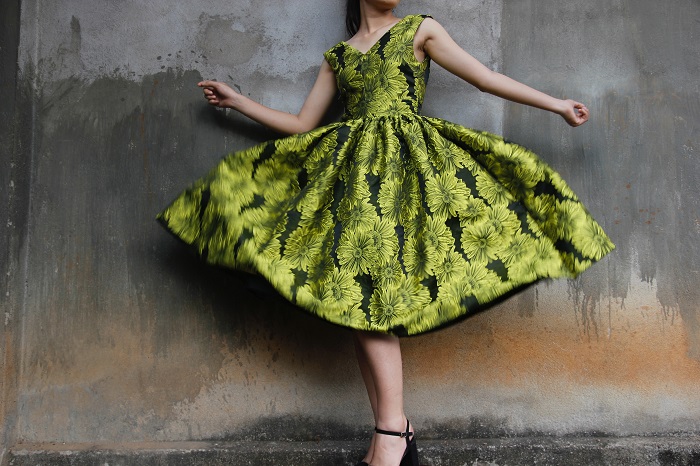

For decades, the apparel industry operated on a relentless cadence of seasonal obsolescence, and few garments felt the brunt of that cycle more acutely than the dress. Historically purchased for single celebrations—a summer wedding, an anniversary gala, or a holiday party—the dress became the poster child for hyper-fast fashion. In recent years, however, a profound shift has taken root. Discerning consumers and independent designers are stripping away the performative gloss of surface-level green marketing to establish a new standard anchored in material innovation, exceptional durability, and purposeful design.
The rise of eco-friendly dresses represents far more than an ethical compromise; it marks a renaissance in garment construction. Rather than sacrificing drape, texture, or elegance, contemporary sustainable dresses prove that environmental responsibility and high style can exist in perfect harmony. Embracing thoughtful fashion today is not about settling for rough, unbleached sackcloth; it is an active choice to invest in pieces defined by their longevity, craftsmanship, and tactile luxury.
Material Innovations Redefining the Modern Silhouette
The foundation of any exceptional dress lies in its fiber, and this is where conscious fashion has achieved its most radical technical breakthroughs. Moving away from conventional synthetic fabrics like virgin polyester and nylon—petroleum derivatives that shed microplastics and resist biodegradation—modern ateliers are leaning into closed-loop processing and low-impact agriculture.
Advanced Cellulosics and Low-Impact Naturals
Semi-synthetic fibers derived from responsibly managed wood pulp have become central to sustainable dress design. Tencel lyocell and cupro have emerged as premier alternatives to traditional silk and conventional rayon, offering a liquid drape, breathable hand-feel, and natural resistance to wrinkling. The closed-loop manufacturing process used for lyocell recycles more than ninety-nine percent of the water and non-toxic solvents involved, preventing hazardous chemical runoff into local ecosystems.
Equally transformative is the revival of ancient plant fibers like European flax linen and industrial hemp. These crops require minimal irrigation, thrive without chemical pesticides, and actively restore soil health through natural crop rotation. When finished with modern enzyme washes or woven in balanced blends, these textiles shed their historical stiffness, creating fluid midi dresses and tailored silhouettes that soften gracefully with every wash rather than breaking down.
Rescuing Waste Through Deadstock and Circular Textiles
True environmental consideration also means recognizing the value in resources that already exist. Independent labels are increasingly turning to deadstock—surplus yardage abandoned by luxury fashion houses due to overproduction or canceled orders. By transforming these forgotten rolls of fine silk twill, wool crepe, and crisp cotton jacquard into limited-run dresses, brands prevent pristine textiles from entering landfills while offering consumers rare, near-bespoke garments that cannot be replicated by mass retailers.
Moving Away From Single-Use Occasionwear
A dress cannot be genuinely sustainable if it spends its existence hanging unworn in a dark closet. The modern eco-friendly dress movement directly challenges the single-use mentality that digital culture has amplified, refocusing on versatile silhouettes that adapt to changing dress codes and varied social settings.
The cornerstone of this approach is the modular, seasonless silhouette. A bias-cut slip dress crafted from heavyweight, sand-washed cupro can serve as formal eveningwear when paired with sculptural gold jewelry and a sleek heel. The next morning, that same slip functions as an understated daytime uniform when layered beneath an oversized knit sweater and grounded by flat leather boots.
Similarly, architectural shirt dresses in crisp organic poplin move effortlessly from corporate offices to relaxed weekend gatherings simply by adjusting the cuffs, adding a leather belt, or leaving the collar open. By maximizing the functional versatility of each garment, sustainable design drastically lowers the cost per wear and encourages a more intimate, long-term relationship with one’s personal wardrobe.
Structural Integrity and the Return to Artisanal Craft
True sustainability cannot exist without structural longevity. Fast-fashion dresses are typically engineered for initial shelf appeal under retail lighting, relying on raw surged edges, brittle nylon zippers, and weak chain-stitching that unravels after minimal wear. In contrast, conscious fashion places premium value on interior garment architecture.
When examining a well-crafted sustainable dress, the quality is evident from the inside out:
- French and bound seams: Rather than leaving raw thread edges exposed to friction and fraying, enclosed seams ensure structural strength and prevent fabric abrasion against the skin.
- Generous seam allowances: High-grade garments leave enough excess fabric within the interior seams to allow for future tailoring, accommodating natural changes in the wearer’s body over years of use.
- Natural, resilient hardware: Corozo nut buttons, mother-of-pearl, and lead-free metal closures replace fragile petrochemical plastics, ensuring every functional detail withstands repeated laundering.
These construction methods require significantly more skilled labor and deliberate cutting, but they yield dresses that hold their shape and finish across decades rather than disintegrating after a single season.
Practical Strategies for Curating a Conscious Dress Collection
Transitioning to a more mindful wardrobe requires an intentional, informed approach to shopping and garment maintenance. Building an eco-friendly rotation is not about replacing an entire wardrobe overnight; it is an ongoing practice of disciplined curation.
Start by prioritizing timeless cuts over fleeting internet micro-trends. Clean A-line midis, classic wrap dresses, and tailored column silhouettes withstand seasonal aesthetic fatigue far better than exaggerated cut-outs or hyper-specific viral prints. When evaluating a potential purchase, review the care label thoroughly. Garments that demand aggressive chemical dry cleaning undermine their own sustainability profile; instead, favor washable silks, linens, and treated cellulosics that can be safely hand-washed or air-dried at home.
Extending the lifespan of what you already own remains the single most effective sustainable choice. Practices as simple as spot cleaning, utilizing garment steamers instead of hot irons, and establishing a relationship with a local tailor can double or triple the wearable life of a cherished dress.
The rise of eco-friendly dresses signals a mature, much-needed recalibration of modern luxury. For too long, prestige was conflated with rapid novelty, excessive purchasing, and the fleeting thrill of an unboxing. Today, genuine sophistication lies in knowing the provenance of a textile, honoring the hands that stitched it, and valuing the endurance of its silhouette. By choosing dresses designed with respect for both the earth and the wearer, personal style transforms from passive consumption into an authentic, lasting art form.