
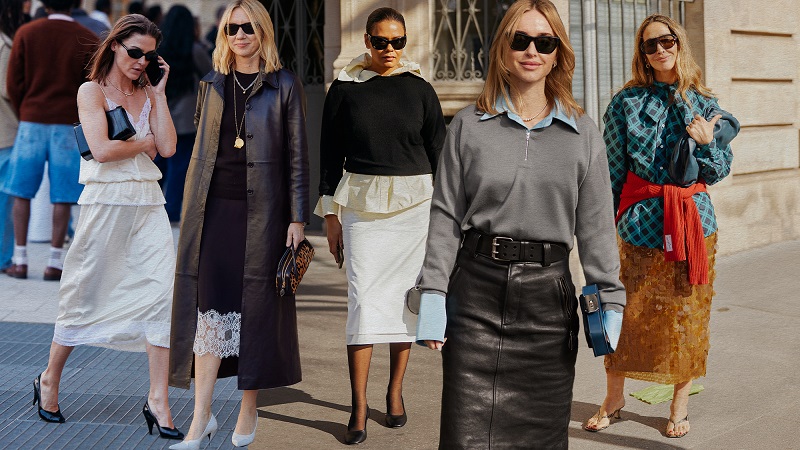

Merging heritage clothing with contemporary fashion is one of the most sophisticated styling techniques in modern personal dressing. When done right, it strips away the rigidity of purely ceremonial wear and injects authentic soul into standard, trend-driven wardrobes. The goal of this hybrid aesthetic is not to assemble an eccentric costume or reduce cultural garments to novelty items. Instead, it creates a deliberate synthesis where centuries-old textile artistry, regional silhouettes, and handcrafted detailing interact naturally with clean lines, functional streetwear, and architectural tailoring.
Achieving this balance requires an eye for proportion, a keen understanding of fabrication, and the confidence to break conventional styling rules. By rethinking how heritage garments exist outside their customary contexts, you can build ensembles that feel rooted in history yet entirely suited for modern city life.
Break Down Full Ensembles Into Versatile Separates
The quickest way to make traditional attire feel dated or out of place in a daily wardrobe is to wear an entire cultural set head-to-toe. Traditional two- or three-piece ensembles are usually designed to be worn together during weddings, festivals, or formal gatherings. When you lift a single component out of that uniform and treat it as a standalone statement piece, the garment transforms instantly.
Consider isolating a heavily textured or embroidered top, such as an Indian silk kurta, a Japanese noragi, or a hand-stitched Mexican huipil. Rather than pairing it with matching traditional bottoms, anchor it with high-waisted, straight-leg raw denim or tailored wide-leg trousers in charcoal wool. The crisp, utilitarian nature of dark denim grounds the ornate stitching of the top, neutralizing any theatricality and making it viable for casual dinners or creative offices.
This logic applies equally to lower garments. A richly woven wrap skirt or a pleated floor-length silhouette can easily overwhelm when paired with traditional tunics. However, when matched with a tucked-in, heavyweight white crewneck tee and an unbuttoned poplin shirt, the skirt becomes the undisputed star of a relaxed, gallery-ready daytime look.
Master the Tension Between Structure and Fluidity
Traditional garments across many cultures frequently prioritize generous yardage, loose drapes, bias cuts, and organic movement. Modern Western style, by contrast, leans heavily on sharp angles, geometric seams, and rigid tailoring. Combining these two aesthetics creates a striking visual contrast that elevates an outfit from simple to curated.
Tailored Outerwear Over Flowing Textiles
One of the most reliable formulas is throwing modern, structured outerwear over soft, fluid traditional foundations. A draped silk tunic, a block-printed caftan, or a flowing sarong skirt gains immediate authority when layered beneath a sharp, boxy wool blazer. The structured shoulders and lapels provide an architectural frame that confines the billowing fabric underneath, keeping the overall silhouette controlled and intentional. For an edgier mood, a cropped leather motorcycle jacket delivers a severe textural contrast to delicate fabrics like chiffon, organza, or fine muslin.
Modern Cinching and Silhouette Control
Traditional wraps and robes often depend on specific folds or sash ties that can read as overly casual in urban settings. Swapping traditional fabric ties for a thick, minimalist leather belt with sleek brushed hardware pulls the waistline together while introducing modern industrial elements. This technique sharpens the silhouette of an oversized kimono-style jacket or an airy tunic, giving the drape a defined shape that mirrors modern tailored dresses.
Anchor Artisanal Garments With Contemporary Footwear and Utility
Footwear dictates the contextual era of any outfit. If you wear an artisanal, hand-printed garment with traditional flats or embroidered slippers, the overall aesthetic remains firmly rooted in regional tradition. Modernizing the outfit requires an intentional disconnect between your clothes and your shoes.
- Lug-sole loafers and brogues: Chunky leather loafers provide an intellectual, collegiate weight that balances airy handloomed cottons or delicate embroidery.
- Minimalist white leather sneakers: A clean, unembellished low-top sneaker instantly pulls formal ethnic outerwear into everyday casual wear.
- Pointed-toe ankle boots: Sharp leather boots add an urban edge to flowing traditional midi skirts or tapered silk trousers, elongating the legs and sharpening the silhouette.
Complementing this footwear choice with modern utilitarian pieces completes the transition. Layering an oversized cotton trench coat, a cropped denim trucker jacket, or a technical nylon crossbody bag across a traditional handwoven textile builds a bridge between heritage craft and contemporary urban functionality.
Use Monochromatic Palettes to Unify Clashing Eras
A common hesitation when styling traditional clothing is managing vibrant colors and dense patterning. Regional textiles are celebrated for vivid pigments and complex motifs, which can feel intimidating against the muted palettes typical of modern streetwear.
The most effective way to integrate loud patterns is through tonal color framing. Select one underlying secondary color from the traditional garment’s print and echo that shade across your modern pieces. If you are wearing a heritage jacket with rich terracotta, indigo, and cream thread work, wear it over an all-cream or all-navy base. A monochrome canvas of an off-white silk shell and ecru wide-leg trousers allows the heritage layer to command attention without competing with the rest of your outfit.
For those who lean into minimalism, seek out heritage pieces created in monochrome tones. Many traditional artisan techniques—such as Japanese sashiko stitching, West African mudcloth, and Indian chikankari—are produced in monochromatic or neutral dyes. These pieces carry the intricate texture and craftsmanship of regional clothing while naturally matching the understated color palette of a modern capsule wardrobe.
Exercise Restraint and Contextual Awareness
A successful fusion look relies heavily on editorial restraint. When styling statement garments, resist the urge to pile on layered jewelry, elaborate scarves, and decorative hair accessories. If the garment features heavy handiwork, keep jewelry minimal—think clean geometric gold hoops or a single sculptural cuff rather than ornate filigree sets.
Equally important is an understanding of the clothing itself. True style reflects thoughtful curation rather than careless appropriation. Focus on secular, everyday craft garments—such as work jackets, handloomed cottons, casual tunics, and seasonal wraps—rather than sacred ceremonial regalia or garments tied exclusively to sacred rites. When you honor the craftsmanship of the original maker while styling it with modern intention, the resulting outfit is both visually captivating and respectful.
Blending traditional apparel with modern fashion trends allows you to build a wardrobe that ignores seasonal trend cycles. By merging historical craftsmanship with contemporary design, your personal style shifts away from fast fashion toward longevity, substance, and deliberate visual storytelling.