
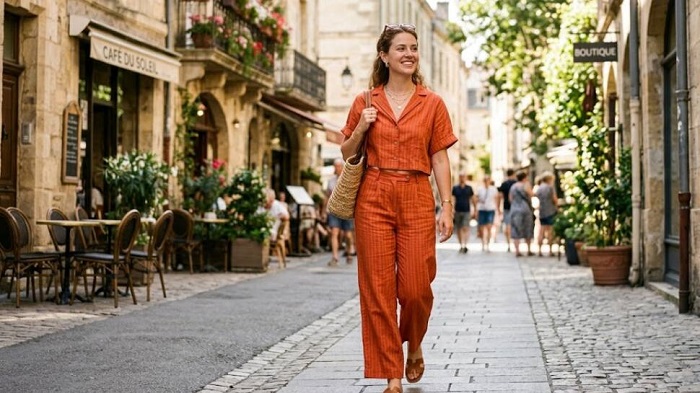

For decades, fashion operated on the tacit assumption that sophistication demanded physical sacrifice. Rigid shoulder pads, constricting pencil skirts, stiff waistbands, and unforgiving stilettos were long treated as the necessary dues of a polished appearance—garments designed to be admired rather than lived in. At the opposite end of the spectrum, casual dressing frequently collapsed into shapeless loungewear, trading all visual polish for pure physical ease. Today, modern personal style lives squarely at the intersection of these two ideas: a thoughtful space where tactile comfort and refined aesthetics coexist seamlessly.
True elegance has never required enduring discomfort. When clothing restricts natural movement, physical tension registers immediately in posture, gait, and body language, eroding personal confidence. Looking composed while feeling entirely unrestricted is entirely achievable. It simply requires an understanding of material composition, silhouette balance, relaxed tailoring, and strategic detailing.
Prioritizing Noble Fibers and Tactile Hand-Feel
The foundation of comfortable elegance begins at the fiber level. Synthetic fabrics like polyester and acrylic often feel suffocating against the skin, trap body heat, and lack the organic weight needed to drape well. Investing in high-quality natural textiles and breathable cellulosics transforms simple, everyday garments into refined essentials that move effortlessly with the body.
Fine merino wool, fluid silk twill, washed linen, and long-staple cotton poplin naturally regulate temperature while creating an elevated drape that cheaper synthetics cannot replicate. For knitwear, lightweight cashmere or silk-cotton blends skim the body cleanly without clinging or losing shape. Modern closed-loop fibers like Tencel lyocell and modal also provide the liquid movement and subtle luster of silk alongside the forgiving stretch of everyday jersey. When an item feels soothing against bare skin, the wearer carries it with natural ease, which is the foundational element of refined style.
Embracing Relaxed Tailoring Over Rigid Structure
Tailoring remains the fastest way to communicate intention in an outfit, but traditional suiting can easily feel stiff during long commutes, desk work, or weekend outings. The modern alternative is relaxed tailoring, an approach that preserves clean architectural lines while discarding heavy canvassing, stiff interfacings, and rigid shoulder padding.
An unstructured double-breasted blazer cut from lightweight wool crepe, fluid linen, or washed tencel moves freely with the body rather than boxing in the shoulders. Pair this jacket with high-waisted, pleated wide-leg trousers that fall into a generous, fluid break over the shoes. Many modern trousers now feature discreet elastic panels hidden along the back or sides of the waistband, resting invisibly beneath a belt or a jacket hem. This tailoring trick preserves a crisp, flat front while providing complete physical freedom throughout the day. The resulting look projects deliberate authority without any of the physical tension associated with conventional business attire.
Mastering the Rule of Proportional Contrast
An outfit constructed entirely of oversized, loose items easily drifts into looking careless, while an ensemble composed entirely of tight, rigid pieces feels severe and uninviting. Balancing comfort with elegance depends on maintaining proportional tension—the deliberate pairing of volume with restraint.
Balancing Soft Foundations With Structured Anchors
One of the most reliable formulas is grounding an effortless, soft base layer with a single piece of tailored outerwear. A finely ribbed modal tank top and fluid silk pull-on pants can read uncomfortably close to sleepwear when worn in isolation. However, throwing a structured, unbuttoned trench coat or an architectural blazer over those same pieces immediately organizes the visual lines, turning loungewear-adjacent comfort into elevated daytime wear.
Defining Shape Without Restriction
Communicating a clear silhouette does not require tight clothing. Instead of using constricting corsetry or rigid belts, introduce form through intentional draping, half-tucks, and contrasting lengths. Loosely tucking a fine-gauge knit into the front waistband of fluid palazzo trousers signals the natural waistline while preserving a relaxed, unfussy line throughout the hips and legs.
Grounding the Silhouette With Considered Footwear
Footwear dictates the contextual reality of any ensemble. If shoes cause pain after twenty minutes of walking, even the most glamorous outfit collapses into an awkward, strained walk. Modern footwear design has closed the gap between all-day foot support and sharp aesthetics.
Rather than alternating between blister-inducing heels and worn athletic trainers, build a rotation around refined, foot-friendly shoes:
- Pointed and almond-toe leather flats: A tapered toe visually elongates the leg line just like a heel, while the flat leather sole ensures effortless navigation across city sidewalks.
- Supple leather loafers: Finished with a clean penny strap or minimal brushed hardware, a soft leather loafer brings collegiate polish to relaxed denim and tailored trousers alike.
- Minimalist low-profile leather sneakers: A clean, unembellished white or monochrome leather sneaker strips away athletic bulk, pairing naturally with tailored pantsuits and slip skirts.
- Low block-heel ankle boots: A sturdy two-inch block heel offers subtle posture elevation and arch support without concentrating pressure on the ball of the foot.
Strategic Finishing Touches That Add Instant Polish
The difference between appearing casually thrown together and deliberately styled often comes down to thoughtful accents and basic maintenance. These finishing touches require zero physical compromise while delivering substantial visual impact.
Adopting a monochromatic or tonal color palette is an exceptionally effective styling shortcut. An ensemble composed entirely of warm neutrals—creams, oatmeals, camels, and soft taupes—reads as deliberate and quietly luxurious, even when every individual item is as comfortable as a favorite knit.
Introducing deliberate hardware also signals care. A refined leather belt with a clean brass buckle, sculptural earrings, and a structured leather tote add discipline to soft knitwear and breezy silhouettes. Finally, basic fabric care makes a substantial difference. Running a quick steamer over lightweight fabrics to release travel wrinkles and using a fabric comb to remove surface pilling from sweaters ensures your comfortable clothing always looks intentional rather than neglected.
Refinement does not need to be earned through physical restriction. When you choose textiles that respect the skin, embrace tailored silhouettes designed for movement, and anchor fluid garments with intentional structure, getting dressed becomes an exercise in self-assurance. True style is the quiet confidence that comes from looking impeccably put-together while feeling entirely at home in your clothes.